
Restaurant photography is a strategic marketing tool with a direct impact on customer behavior.
Visual media impact on restaurant bookings
Researches show that 74% of diners say they use social media to decide where to eat, and 40% report visiting a restaurant after seeing food photos online. Restaurants that move from text-only menus to image-rich menus often enjoy a 25% conversion increase in orders.
82% of people would purchase a dish based solely on its photographic appeal. 22% of diners return in part because of a restaurant’s visual online presence, and 57 % say they have made a reservation via social media after seeing compelling food imagery.
These figures prove that restaurant photography pays off. Good images improve brand perception, emotional appeal, bookings, and customer retention.
Top trends in restaurant and food photography for 2025
To stand out, restaurants need to adopt styles that resonate with current visual culture. These trends are making waves:
Authenticity
Perfectly styled, sterile images are losing appeal. Instead, splashes of sauce, crumbs, half-eaten bites, or visible utensils create honesty and approachability.
Natural light
Soft daylight, especially near windows with curtains or reflectors, yields the freshest, most appetizing look. Avoid harsh, direct artificial light when possible.
Below the example of a a photoshoot for one of the BookYourCook chefs:

Moody aesthetics
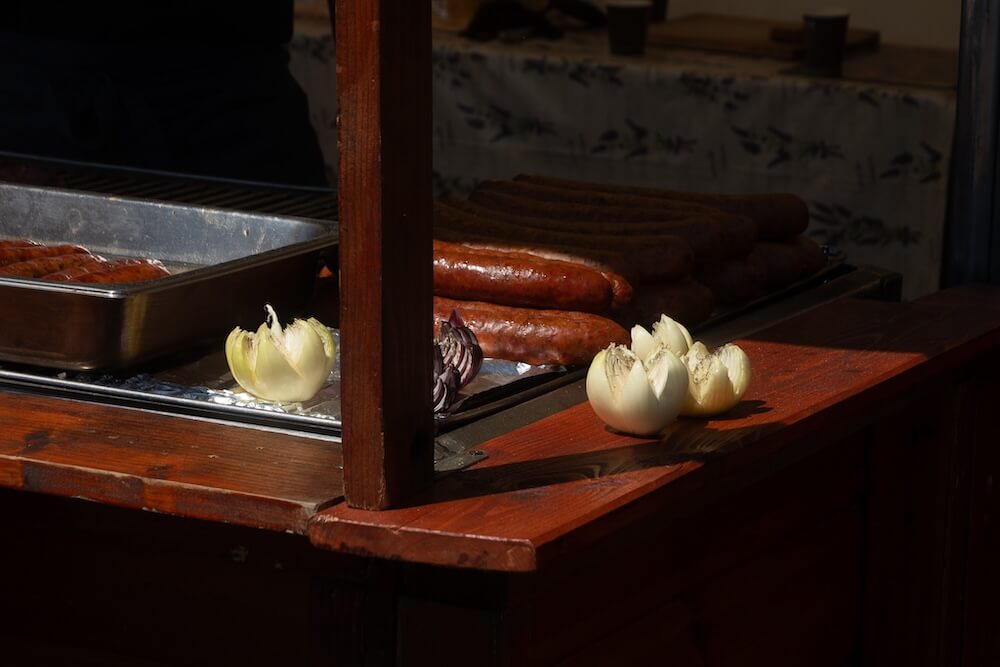
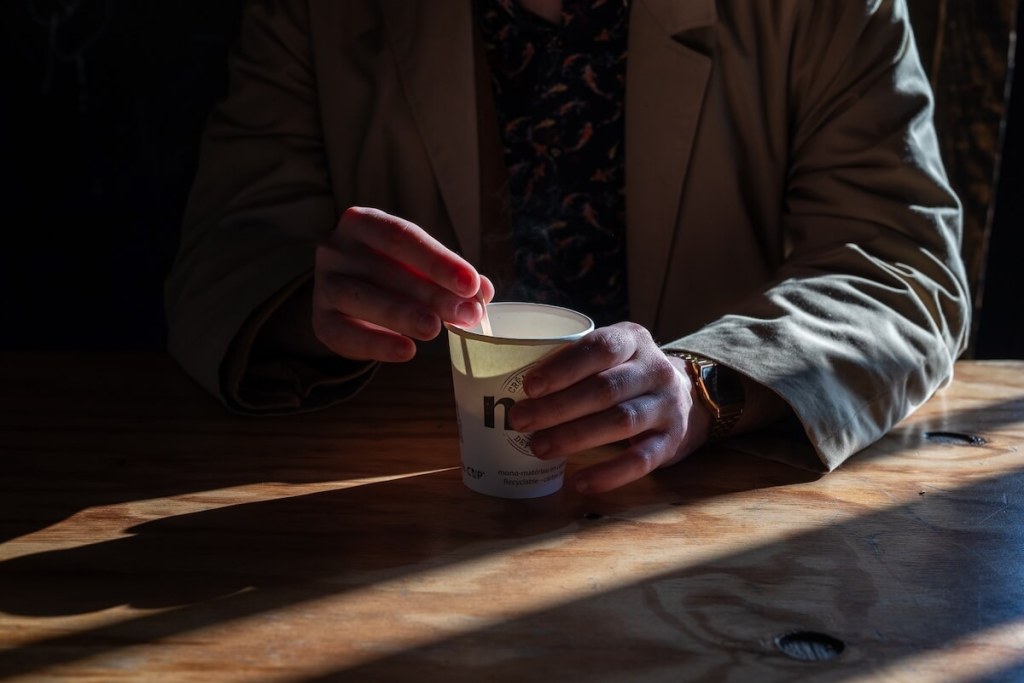
For upscale or gourmet cuisine, deep shadows, muted earthy tones, and natural textures like stone or wood create a luxurious, atmospheric feel.
The photo below actually comes from a completely not upscale event thought (a fair in Citadel in Poznań).
Video and short-form content
Still images are essential, but motion is king in social media. Think stop-motion, pouring sauces, slicing, steam rising. Short reels and animated GIFs drive higher engagement.
Contrast
Using backgrounds or props that contrast sharply with your dish makes it pop in feeds. Vivid greens, deep reds, or dark slate surfaces are effective. Flash can also be effective for a more edgy, alternative look.
Human touch
Including hands pouring drinks, diners holding utensils, or chefs plating adds relatability. It invites the viewer to imagine being there.
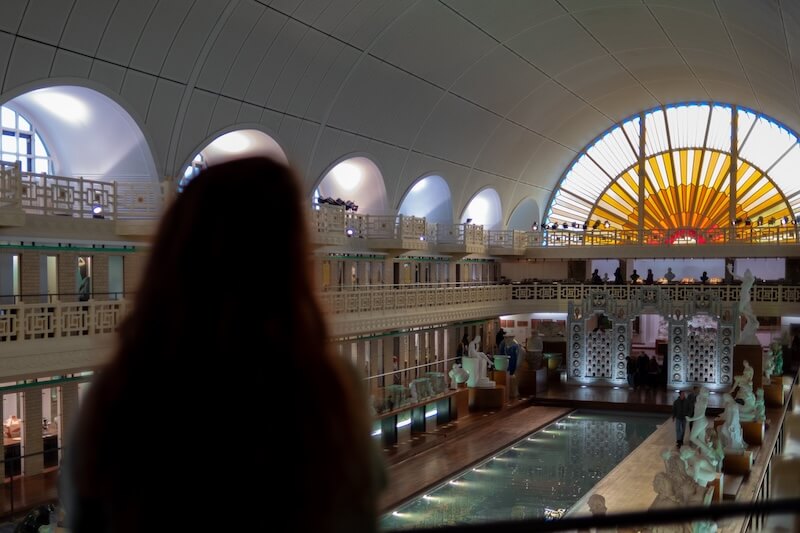
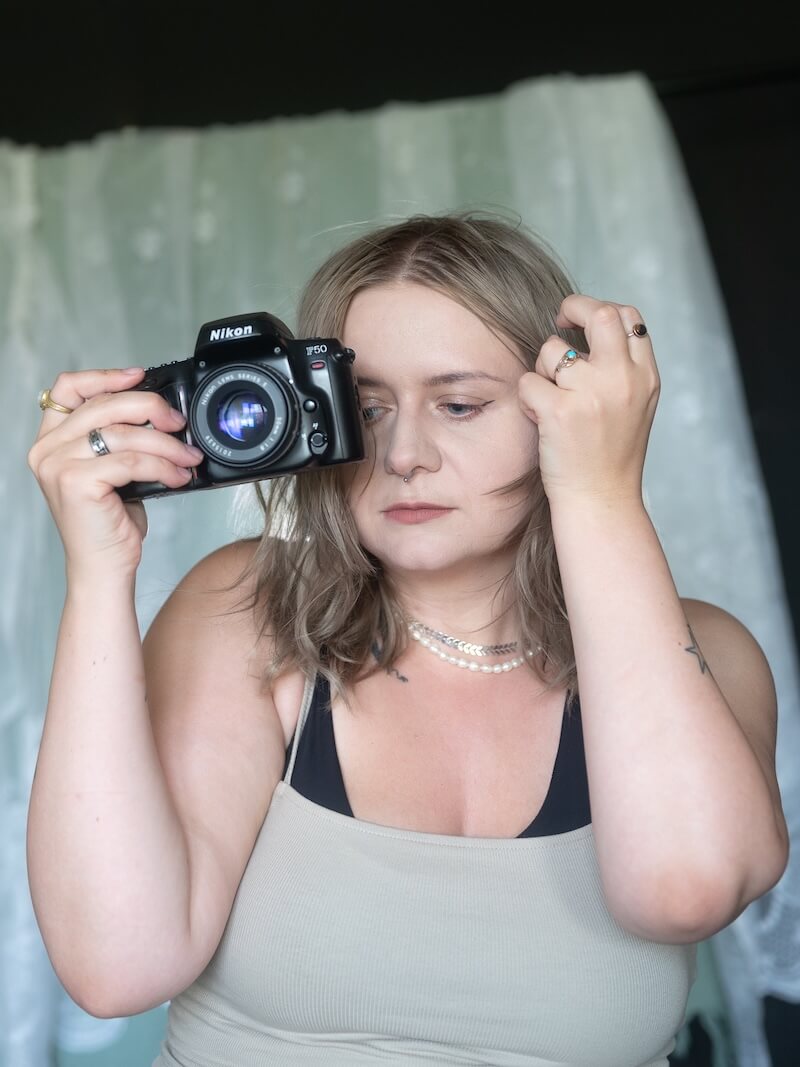
Example of a photoshoot of owners of Albedo Kitchen, a vegan restaurant in Lille, France:

Sustainability
Props made from recycled or natural materials, or highlighting seasonal ingredients, align with growing consumer values.
Styles driving engagement and bookings
In my work photographing restaurants, I emphasize a core set of styles that consistently perform.
Flat lay
A top-down view arranges multiple dishes in harmony. This style works well for group meals, brunches, or tasting menus. It lets you show variety and color interplay coherently. They can also be more dynamic, showing a group enjoying a meal (like we did at Albedo opening):

Motion shots
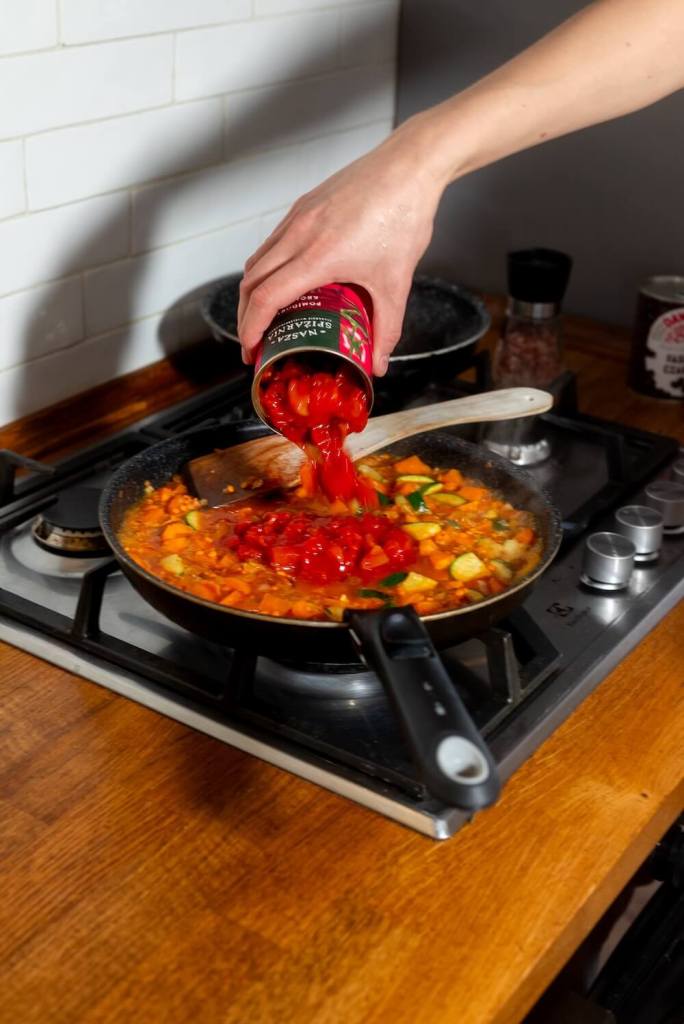
Images of sauce being drizzled, steam rising, a knife slicing. These freeze a moment in time and invite the viewer into a dynamic experience. Perfect for Reels or short videos.
Texture close-ups
Zoom in on the crispy crust, melting cheese, or fresh herbs. These macro shots create sensory impact and urge the viewer to imagine taste and texture.
Below you can find an example of the photoshoot for the BookYourCook, a Polish culinary marketplace:
Lifestyle Shots
Include parts of the dining environment, a diner’s hand reaching for food, soft focus of background patrons. These images build mood and trust in the real experience.
Hero dish portraits
Choose your signature dish and present it on a clean or brand-aligned backdrop. Use consistent lighting and editing so it can serve as the visual anchor across your website, menu, or booking platforms.
Platform Strategies: Instagram vs Website
Because audiences behave differently across platforms, your imagery needs to adapt.
Instagram and social media
Here, images must stop the scroll. Use bold colors, closeups, and action. Short videos and dynamic visuals perform best. Candid moments, overlaid text, and creative crop formats help too.
Restaurant website and booking pages
Clarity is king. Use high-resolution hero images, neutral backgrounds, branded palettes, and consistent cropping. Interior, exterior, and ambiance shots help visitors envision dining at your place. Each image should support the decision to book.
How to plan a shoot?
Start by scouting the location to identify the best natural light, angles, and decor accents that can enhance your images. Prepare dishes, props, and table settings in advance, ensuring that every detail aligns with a brand’s visual identity. Mix different shot types, such as overhead, 45-degree, and close-up angles, to create a versatile collection of images suitable for menus, social media, and advertisements.
For motion shots, use burst mode or high frame rates to capture the perfect split-second moments of pouring, slicing, or plating. Maintain color consistency throughout the shoot and in post-editing to reinforce brand recognition. Collaborate closely with chefs and staff, as their expertise in plating and presentation can help you highlight key ingredients and bring the food’s story to life.
Restaurant photography in 2025 and beyond
Restaurant photography in 2025 is no longer decorative—it’s a strategic lever. High-quality, emotionally resonant images can move diners to book, return, or share your content. Trends lean toward authenticity, motion, moody textures, and human touches. But at its heart, great restaurant imagery balances brand consistency, visual storytelling, and technical excellence.
If you’re running a restaurant, investing in these styles and strategies will help your dishes shine and your bookings grow.


 Behindmud