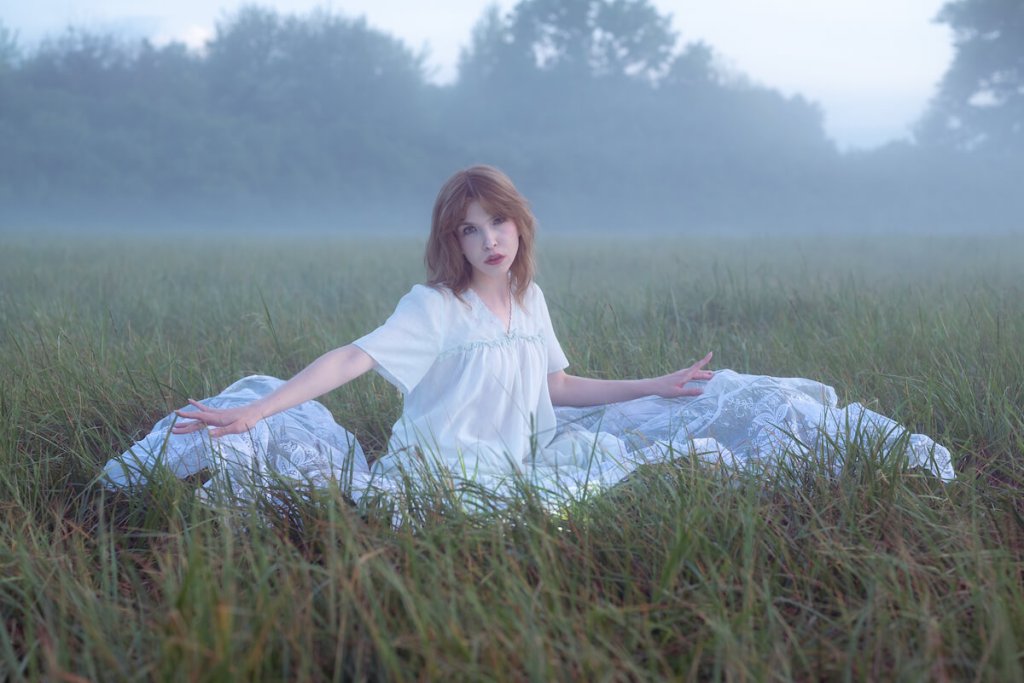
Fine art photography is the intentional use of photography as a medium for personal artistic expression.
In contrast to commercial, documentary, or journalistic photography, which often aims to inform, sell, or record, fine art photography seeks to communicate a deeper narrative, emotional experience, or philosophical idea through the lens of the artist.
Photography as a Creative Language
Fine art photography is defined by intention. The artist does not merely respond to the world around them, but rather approaches the camera as a tool to translate inner visions into visual form. Before even pressing the shutter, the fine art photographer often has a clear concept in mind. It can be an emotion, a story, or an abstract theme they wish to explore. Every element of the image – composition, lighting, color, subject choice, even post-processing, is carefully orchestrated to support that vision.

This thoughtful process elevates photography from documentation to visual storytelling. As a result, viewers of fine art photography are often invited into an interpretive space, where they can engage intellectually and emotionally with the image.
Key Characteristics of Fine Art Photography
Several features set fine art photography apart from other genres:
- Artistic Intention: The photographer’s vision and message drive the creation of the image. Each photo is designed to express an idea, provoke a feeling, or explore a concept—rather than simply portray a subject as it is.
- Creative Manipulation: Fine art photographers often engage in intentional editing, abstraction, or stylization, using the full range of photographic techniques to shape how the image communicates.
- Aesthetic Focus: The photographs are created for their visual and artistic merit. They often prioritize form, mood, and atmosphere over realism or utility.
- Diverse Styles, Unified Purpose: Fine art photography spans many styles, like portraiture, landscape, still life, architecture, and conceptual photography. What unites them is the personal, artistic approach of the creator.
- Artistic Statements: Many fine art photographers accompany their work with a written statement explaining the conceptual basis of their images. These statements provide context, help audiences interpret the work, and link individual pieces into a cohesive artistic body.
- Non-Commercial Motivation: Unlike commercial or editorial photography, which responds to a client’s brief or market needs, fine art photography is usually self-directed. The work is made for exhibition, personal fulfillment, or exploration, rather than for profit or reportage.
Intention Matters
Intent is the linchpin of fine art photography. Without it, even a beautiful photograph risks remaining a surface-level visual. But with it, the photograph becomes a thoughtful, layered creation that invites dialogue. This is why fine art photographers are often seen as artists rather than image-makers—they craft experiences, not just pictures.
By foregrounding intention, fine art photography shifts the photographer’s role from observer to creator—someone who not only sees the world but reshapes it through their unique lens.

Why Fine Art Photography Matters?
Fine art photography matters because it affirms that photography is not limited to factual representation. It challenges the viewer’s perceptions, tells deeply personal stories, and opens space for philosophical and emotional exploration. In a world saturated with images, fine art photography reminds us that a photograph can still be more than a snapshot—it can be a statement.



 Behindmud