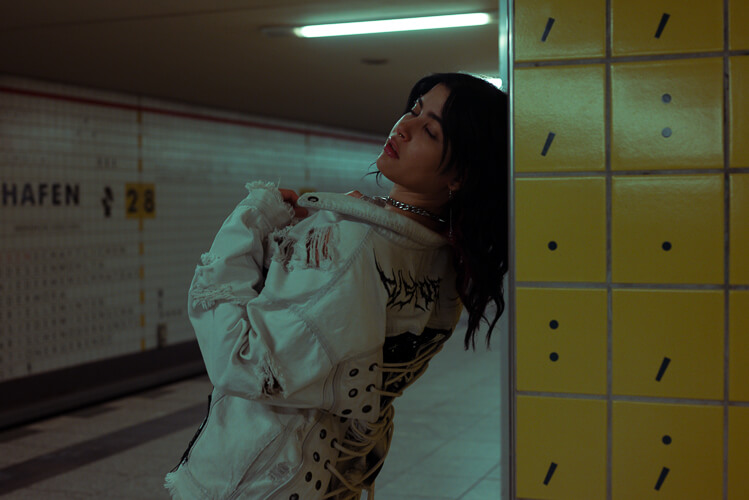
In 2025, photography is no longer just about capturing moments. It’s about telling powerful, emotionally resonant stories that reflect individuality, diversity, and authenticity.
Cinematic shoots are transforming with AI-powered editing. The industry is experiencing a creative renaissance. It is shaped by technological innovation and shifting cultural values. Contemporary photographers are blending nostalgic aesthetics with cutting-edge tools, all while embracing sustainable practices and inclusive representation.
Photography in 2025 is redefining what it means to create meaningful images. This happens through moody lighting. It also occurs with immersive storytelling and unfiltered emotion.
Trending Styles in Photography
In 2025, portrait photography is all about capturing emotional connection and authenticity rather than striving for perfection. Photographers are emphasizing natural expressions and embracing imperfections to create images that feel real and personal. AI-powered editing tools are playing a key role by offering customized and personalized portrait experiences, which enhances client satisfaction.
The use of natural light and candid moments is becoming increasingly popular. It helps reveal the subject’s true personality and inner life. A growing trend in the industry is the adoption of sustainable and eco-conscious practices. This trend is particularly significant in portrait and wedding photography. It reflects a broader environmental awareness among both photographers and clients.
Vintage
Melancholic aesthetics with a focus on classic film looks and vintage color palettes are popular, appealing to emotional and timeless qualities.
Nostalgia continues to influence photography, with a renewed interest in retro and vintage styles. This includes grainy film textures, black-and-white imagery, and faded color palettes reminiscent of analog photography.
Authentic
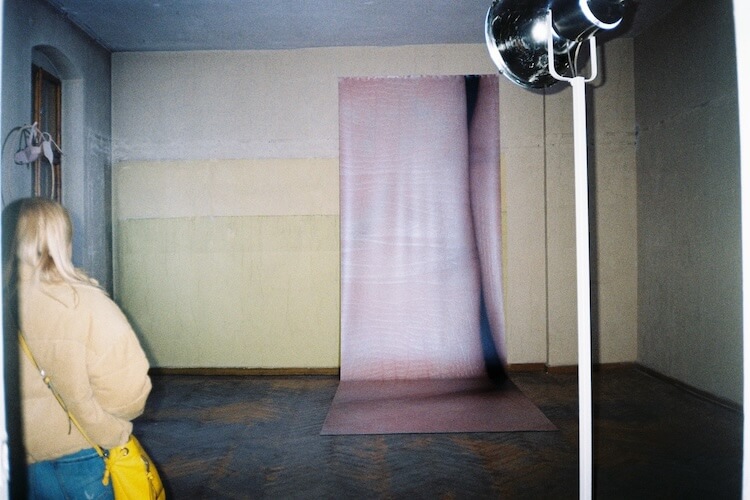
There’s a growing preference for unfiltered, candid photography that captures genuine emotions and imperfections, moving away from overly polished images.
Wedding photography in 2025 is characterized by candid storytelling, true-to-color editing, and the incorporation of film photography. Clients are favoring authentic moments over posed shots, seeking images that genuinely reflect their experiences.

Bold and Bright
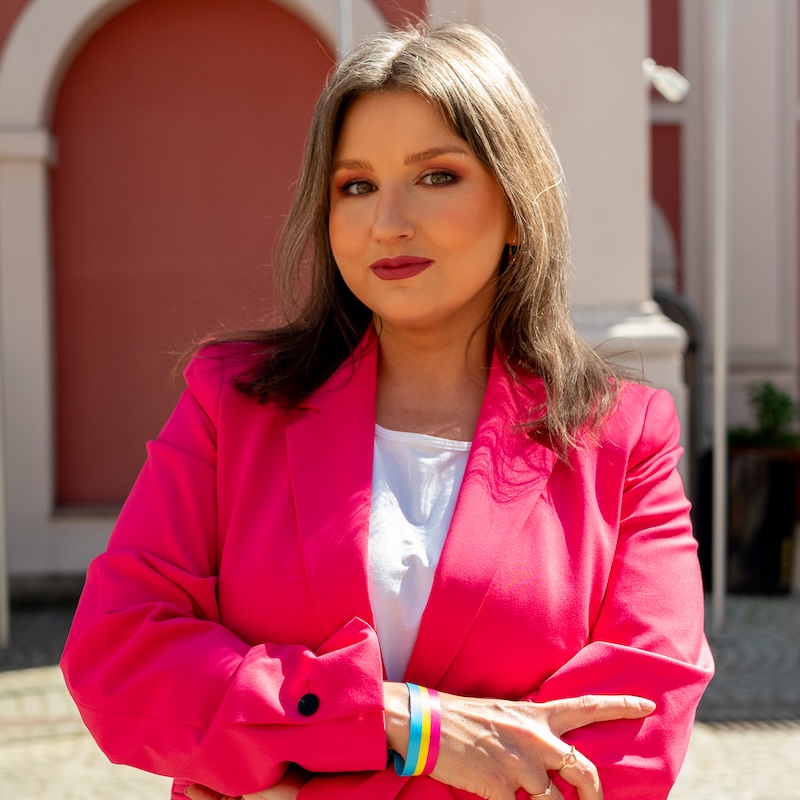
High-contrast, saturated colors dominate, especially in fashion and lifestyle photography, to create eye-catching and emotionally evocative images.
After years dominated by muted tones, 2025 marks a resurgence of vivid, saturated hues. Photographers leverage high-contrast compositions to create striking visuals, particularly in fashion and branding, where color theory plays a pivotal role in capturing attention.
Moody
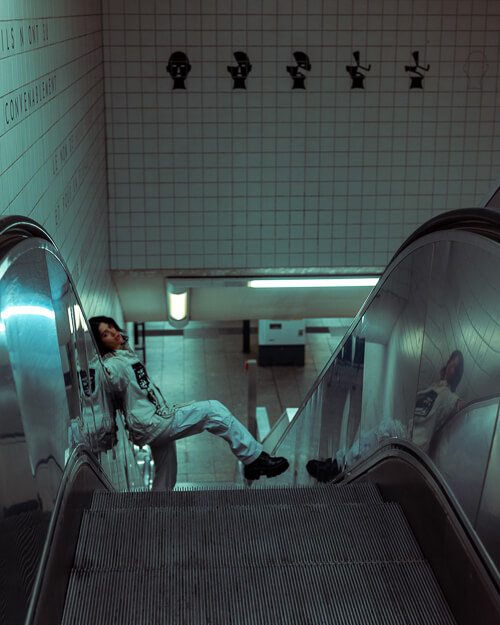
Dark, shadowy tones with desaturated colors create emotional depth and drama, suitable for storytelling and editorial work. Photographers adopt dramatic lighting techniques inspired by cinema, using moody color grading and strategic shadows to create emotionally resonant images.
Documentary Storytelling
There is a growing emphasis on genuine storytelling through images that capture everyday life and social movements, fostering emotional connections.

Outdoorsy
There’s a growing trend towards outdoor photography, with professionals across genres seeking natural settings. This approach emphasizes the environment as a central subject, offering fresh perspectives and authentic backdrops.
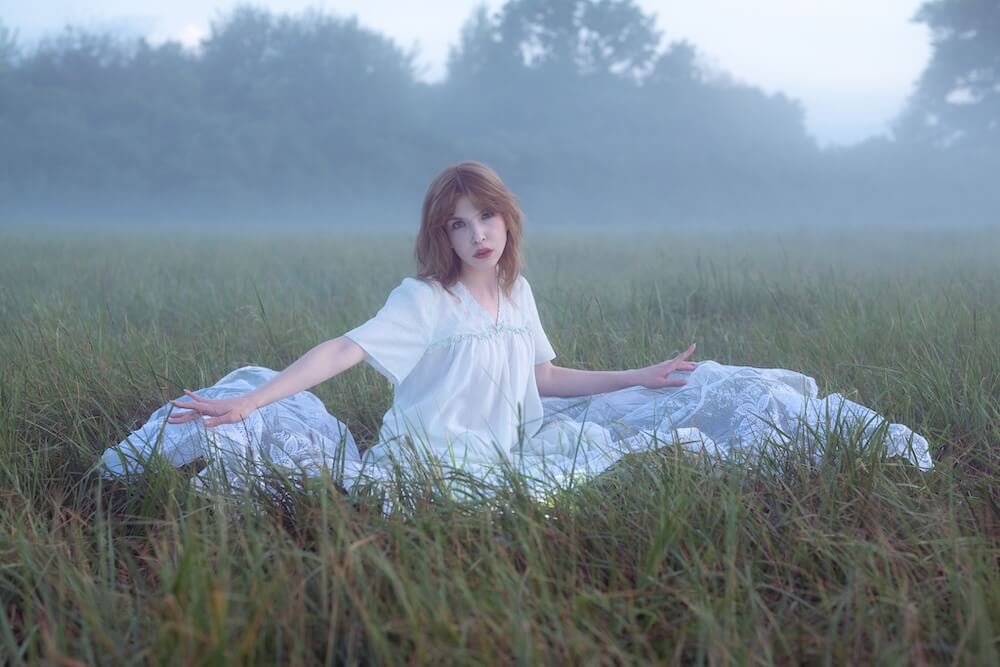
Inclusive
Representation of diverse subjects across race, age, gender, body type, and ability is a major trend, driven by social awareness and brand demands for inclusivity.
There’s an increased focus on inclusive photography, aiming to represent a broader spectrum of identities and experiences. This trend reflects a commitment to authenticity and social awareness within the photographic community.
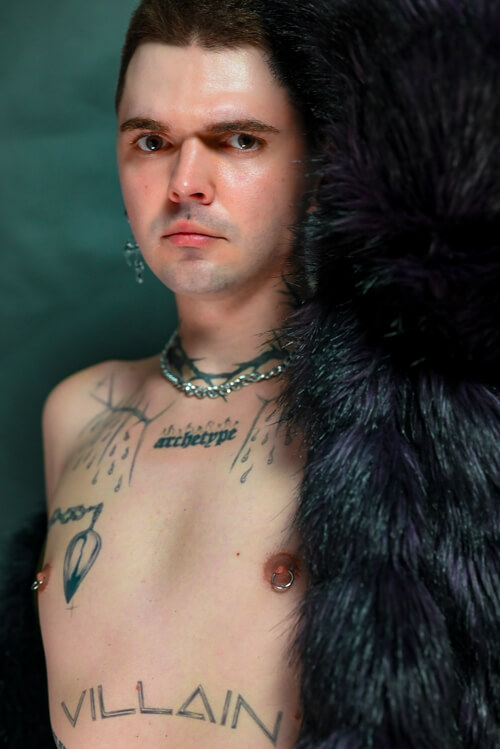
Imperfect
A shift towards valuing imperfection is evident, with photographers embracing out-of-focus shots and motion blur to convey emotion and authenticity. This approach challenges traditional notions of technical perfection in photography.

Photography industry future
The photography industry is undergoing a dynamic transformation in 2025, marked by diversification, innovation, and a deepened emphasis on storytelling.
Approximately 10% of photographers now operate across multiple business models. These models include client-based work, event and sports photography, and art and production projects.
Diversification is a key strategy for maintaining stability in an unpredictable market. This trend reflects a growing need for adaptability. Photographers are exploring revenue streams outside their original specialties. New areas include corporate photography or niche event work.
Creative entrepreneurship is also playing a more prominent role. Photographers offering in-person image reveal notice up to a 20% boost in revenue. That proves that the human touch still matters in a digital-first world.
Meanwhile, established photographers continue to profit from print sales, while newer photographers are encouraged to move beyond digital file delivery. Introducing print credits instead of bundling digital images could significantly improve profit margins for those just starting.
Yet, the industry isn’t without challenges. A large percentage of photographers (between 65% and 77%) reported rising business expenses in 2024, and many have not adjusted their pricing to match. This widening gap underscores the urgent need for strategic pricing models that preserve profitability without alienating clients.
Beyond business models, photography itself is evolving. It’s no longer just about capturing a moment. Today’s photography is about storytelling, emotion, and creative expression. Hybrid techniques that blend photography with animation are gaining momentum, pushing the boundaries of traditional visual art.
The field is also becoming more inclusive and diverse, thanks in part to technological advances that democratize creativity and broaden the range of voices and visions in the space.
Sustainability is emerging as another vital theme, particularly in wedding and event photography. Photographers are beginning to adopt eco-friendly practices and energy-efficient equipment, responding to growing consumer demand for responsible business operations.
All signs point to a future where success in photography relies not just on technical skill, but also on business savvy, adaptability, and a strong creative vision.
What Is the Future of Photography?
The future of photography in is vibrant, dynamic, and deeply rooted in storytelling and authenticity. As technology evolves and cultural values shift, photographers are redefining their craft with a focus on emotion, inclusivity, and sustainability.
AI-powered editing tools are transforming both the creative process and client experience, while hybrid techniques combining photography with animation are pushing artistic boundaries.
Stylistically, the industry is embracing everything from nostalgic vintage aesthetics to bold, high-contrast visuals and moody cinematic tones.
Candid, unfiltered moments are increasingly favored over polished perfection, reflecting a broader appreciation for imperfection and emotional depth. Inclusivity is also at the forefront, with greater representation of diverse identities across age, race, gender, and ability.
From a business perspective, diversification is essential. Many photographers are expanding into multiple specialties, offering prints, in-person reveals, and other services to boost revenue.
However, rising costs and outdated pricing models present ongoing challenges, making adaptability and business strategy more crucial than ever.
Ultimately, the future of photography lies in blending creativity with conscious practices. Whether it’s through eco-friendly choices, innovative storytelling, or meaningful human connections, the industry is evolving into a more expressive, inclusive, and impactful art form.






 Behindmud