
Boudoir photography has captivated people since the 1940s. This is when the intimate portraiture style first became popular. Many clients describe their boudoir sessions as life-changing experiences that substantially boost their confidence.
Boudoir photography goes beyond just taking photos. It strengthens everyday people, not just professional models. The art welcomes various styles including glamour, maternity, pinup, and plus-size approaches that work for everyone. Photographers can become skilled at this craft to improve their portrait-taking abilities while showing their creative vision. The style celebrates diversity and welcomes bodies of all shapes and sizes, including LGBT+, BIPOC, and plus-size individuals.
Clear communication plays a vital role during these intimate sessions because many clients feel nervous facing the camera. The right techniques create stunning images. They showcase The client’s best features. Dramatic lighting and strategic props like flowers or mirrors make a big difference. Technical knowledge matters too. Using a 35-85mm lens with a wide aperture (F/1.4-F/2) creates that characteristic soft, delicate look that makes boudoir photography special.
Let’s take a closer look at professional secrets to raise your boudoir photography skills. Whether you plan to shoot or model for these intimate portraits.
Visualizing the Session
The magic of boudoir photography starts well before picking up the camera. Your vision will shape beautiful images that show your true personality. Good preparation helps photographers and subjects line up their expectations and goals.
Create a mood board
A visual mood board works better than words alone to set clear expectations. Think of a mood board as your collection of images, colors, and textures. It shows the style and feel you want in your photoshoot.
Here’s how to build a great boudoir mood board:
- Browse Pinterest, Instagram, and other platforms to find inspiration.
- Spot patterns in lighting, poses, and overall look.
- Add color swatches that match your desired mood.
- Include examples of makeup, hair, and wardrobe choices.
- Send the board to your photographer early.
“What is boudoir photography to you?” This vital question helps photographers understand what each client wants. Keep the board simple but specific as you cooperate. Focus on elements that create your perfect mood.
Choose a style
Boudoir photography includes many distinct styles. Each style creates its own emotional effect:
Classic/Timeless: Soft lighting, tasteful poses, and vintage lingerie create an elegant, sophisticated look.
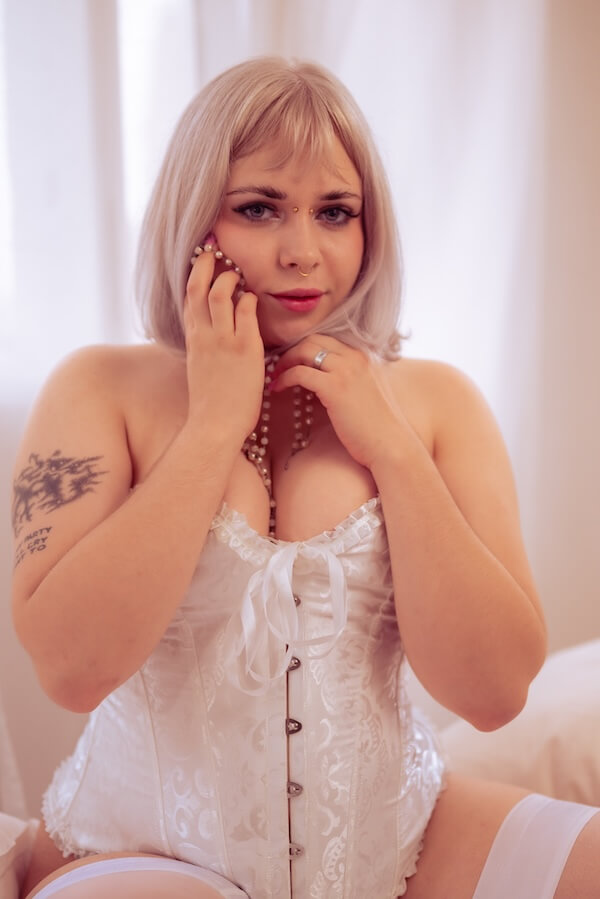
Dramatic/Bold: Strong poses, deep shadows, and rich colors build a powerful, sultry mood.
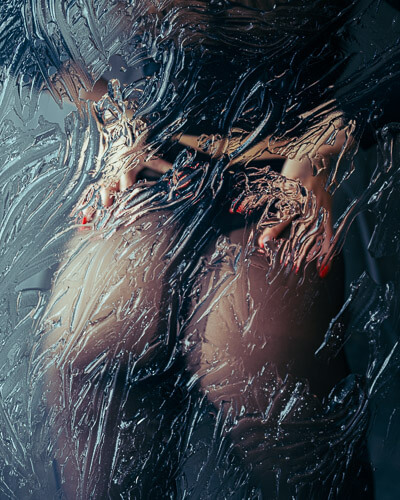
Luminous/Soft: Natural light captures romantic softness with bright, airy images and a dreamy feel.
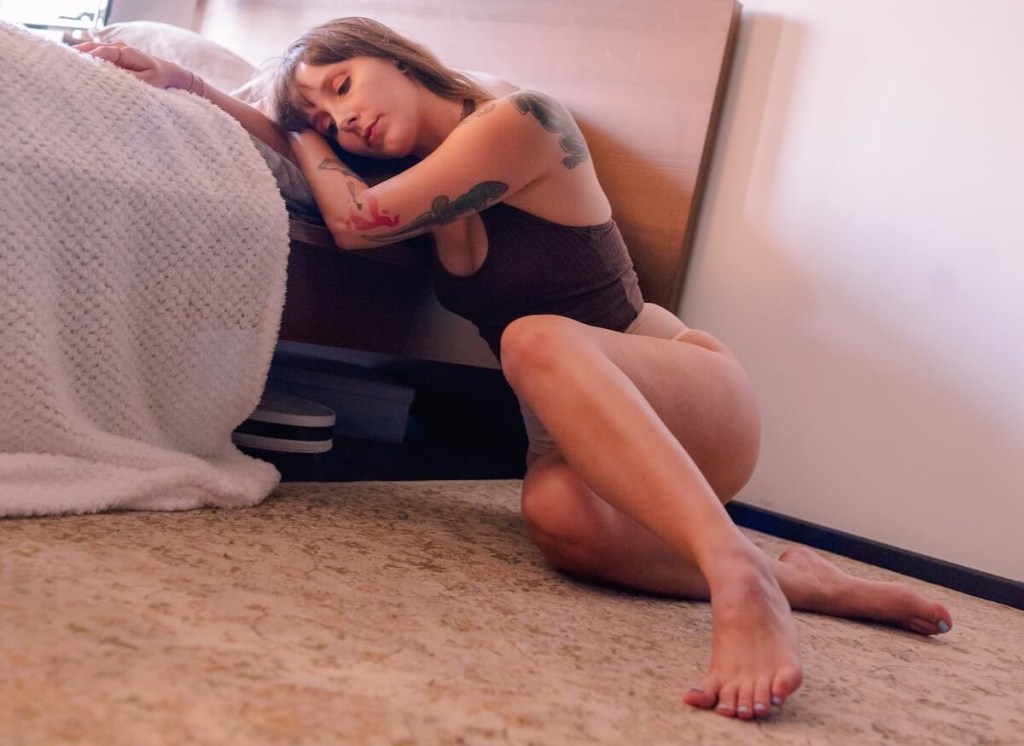
Playful: Bright colors, fun props, and lighthearted poses make a flirty, upbeat session.
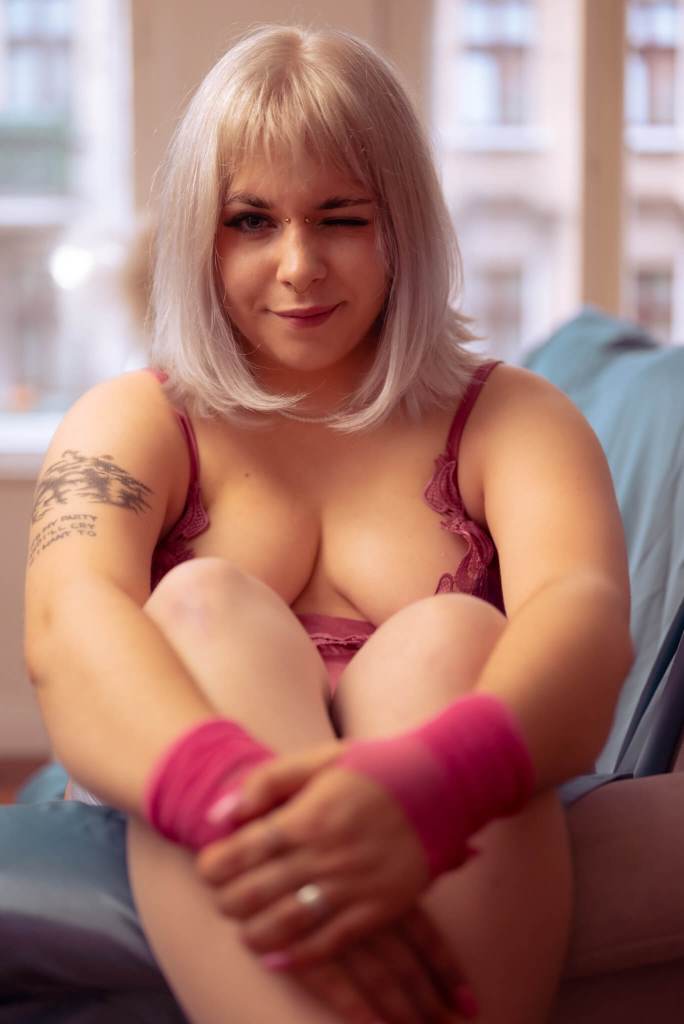
Vintage/Retro: Styles range from pin-up with retro-inspired outfits to elegant vintage glamour.
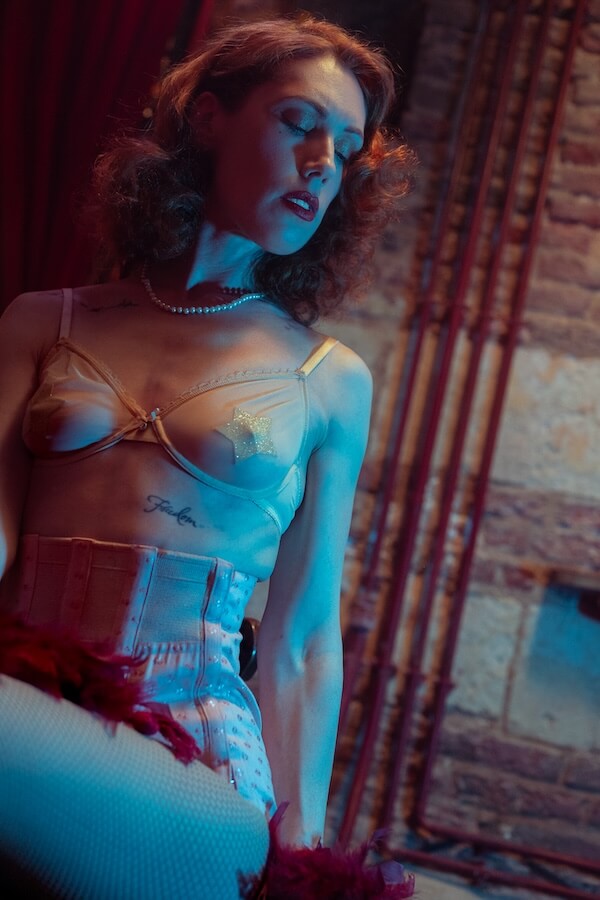
Fine Art: Abstract, artistic images focus on body lines, shadows, and creative compositions.
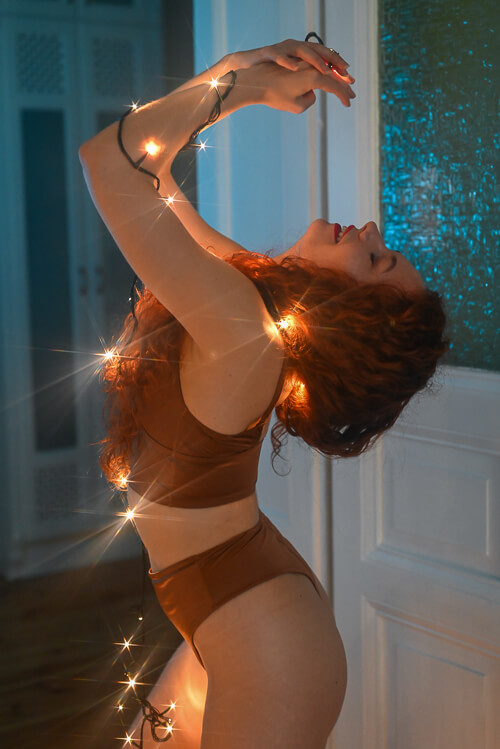
Textured: deepening depth and mood, thanks to adding diversified physical textures on the set.
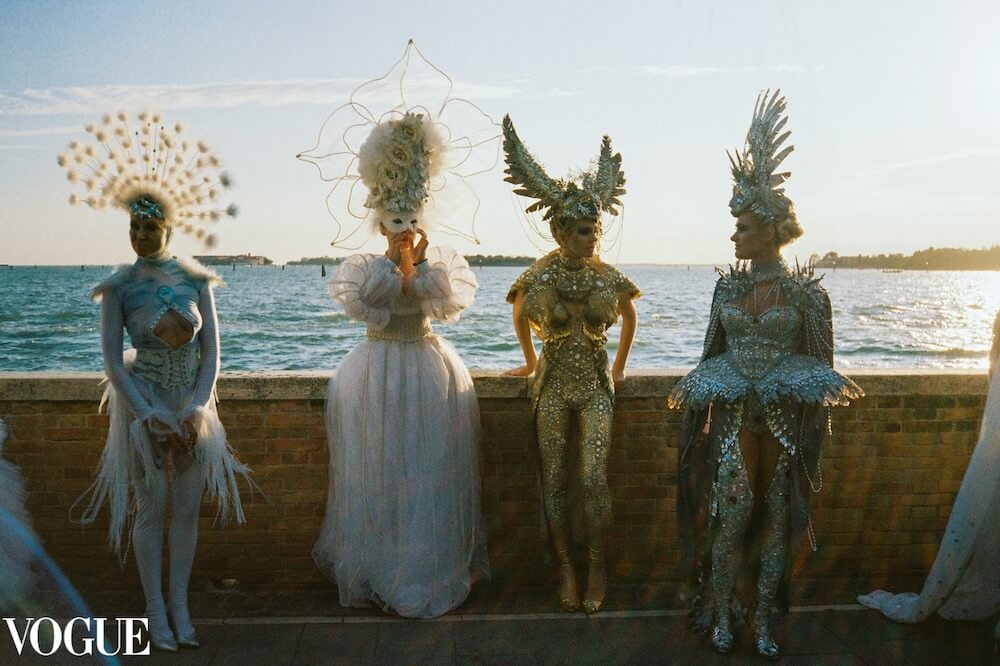
Pick a style that matches your personality and goals. Many clients mix elements from different styles to create something that feels true to them.
Incorporate personal and cultural identity
I want my boudoir photography to celebrate all forms of diversity. Elements of your personal and cultural identity add deeper meaning to your images.
Clients from marginalized groups should find photographers who understand diverse body types and gender expressions. Talk about how you see yourself and how you want to look in photos, from poses to wardrobe choices.
Props can tell powerful stories. Skip the generic items and choose objects that mean something to you. Cultural items, special jewelry, or personal artifacts can add emotional depth to your images.
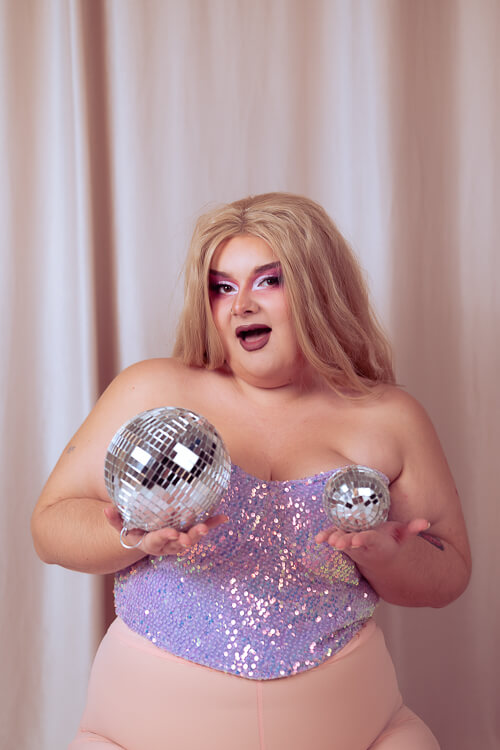
Boudoir photography works best when you speak up in the studio. Good photographers create safe spaces where you can say what feels right and what doesn’t. From poses to makeup to styling choices.
Note that boudoir photography celebrates your unique beauty and identity. The best sessions create images that look beautiful and truly show who you are.
Pre-Shoot Prep: What Clients and Photographers Should Know?
Good preparation can turn an awkward photoshoot into a confidence-boosting experience. The days before a boudoir session are essential for creating stunning images. Weeks leading up to the session also contribute to authentic results for both photographers and clients.
Boudoir photography tips for beginners
New boudoir photographers need to build trust with their clients first. Meeting face-to-face before the shoot helps create rapport and understand your client’s vision. This personal connection shows up in the final images as clients feel more at ease expressing themselves.
Working together on a detailed shot list helps set expectations and captures the images your client wants. This becomes even more important when working with clients who might worry about how their bodies will look in photos.
Talk about wardrobe options early to help clients feel comfortable. While lingerie is traditional, you can suggest other options like semi-sheer t-shirts, favorite jeans, or oversize shirts. Boudoir captures both personality and sensuality.
You should discuss image usage and get proper consent right away. Have this conversation at the start. Never assume you can use intimate photos in your portfolio without clear permission.
Skin, nails, and hair prep checklist
If you want to prep your body in a specific way before the shoot, here are some things you can do:
- Two weeks before: Drink more water for glowing skin and start daily moisturizing.
- One week before: Book haircuts/coloring and waxing appointments (doing these too close to the shoot can cause redness or irritation).
- 3-5 days before: Finish any waxing or dermaplaning so skin can heal.
- 1-2 days before: Get manicure/pedicure (neutral colors look best in photos).
- Night before: Exfoliate skin, skip alcohol and salty foods, and get enough rest.
- Morning of shoot: Moisturize, avoid tight clothing marks, and eat light.
Skip spray tans or tanning lotions no matter your body type. They usually show up with an unnatural orange tint that’s hard to edit. New skincare routines can cause surprise breakouts, so stick with products your skin likes.
Please consider all of these steps optional. If you feel more confident with e.g. body hair – I personally love it, and go on!
What to wear and what to avoid?
Pick outfits that boost your confidence instead of what’s typically “sexy.” Curvy clients should skip outfits with too much flowing fabric as they can hide your natural curves. They can look great for the right poses though:
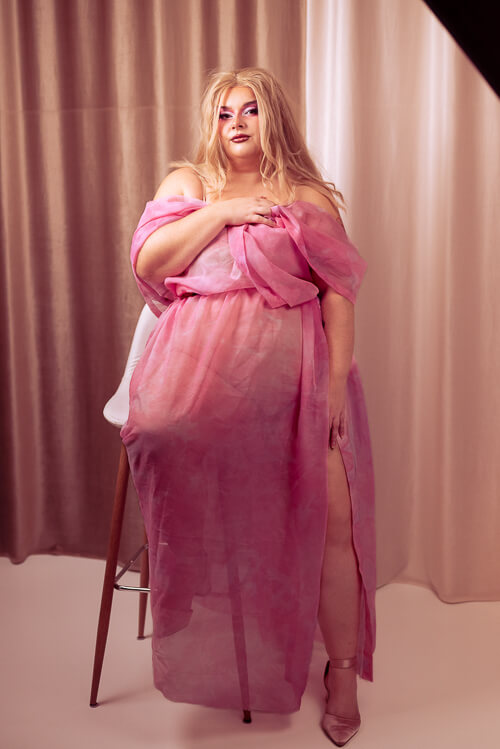
Bodysuits work great for creating lines, showing off curves, and smoothing areas you’re less confident about.
If you have a smaller bust, skip heavily padded bras that add too much cup size. They look fake in photos, especially when you’re lying on your back. Try lacy or soft bras with light underwire support instead.
What to avoid:
- Costumes (cheap materials often look bad in photos),
- Similar styles (mix up your look with different types of outfits),
- Outfits with complex fastening (quick changes keep things moving),
- Tight clothing before your session (leaves marks on your skin).
Take off all tags from lingerie, even the sewn-in ones, as they can show up and distract in photos.
Boudoir tips for clients with anxiety
It’s normal to feel nervous before a boudoir shoot. Yes, it is common for clients to feel anxious at first but leave feeling stronger. Playing your favorite music sets a relaxed mood and gives you something else to focus on.
Talk openly with your photographer about your concerns. Let them know which parts of your body you love and which you’d rather not highlight. A professional photographer will adjust poses without judgment.
If you’re very nervous, try these practical steps:
- Practice simple poses in front of a mirror.
- Bring someone supportive if your photographer allows.
- Book a massage the day before.
- Wear something that feels like “you” rather than what you think boudoir requires.
- Stretch before your session – many boudoir poses need flexibility.
Keep in mind that photographers who focus on body-inclusive boudoir have worked with all body types. Good communication throughout will help you get photos that make you feel beautiful just as you are.
Shooting Day Essentials
Your boudoir shoot day is here! Creating the right environment will give you authentic, intimate images that celebrate your unique beauty.
Setting the mood with music and lighting
Music revolutionizes the atmosphere of a boudoir session. I have a special playlist for my boudoir photo shoot but I’m also open for any personal preferences. Whatever sets a mood for a model/
Photographers also often stream music during makeup and preparation, though some prefer shooting in silence to maintain focus.
Natural window light creates soft, flattering effects that emphasize curves. You should position yourself approximately 45 degrees from a window to get ideal illumination. Direct sunlight creates harsh shadows, so try these alternatives:
- Use sheer curtains to diffuse bright sunlight.
- Place white cardboard opposite the window to bounce light back onto shadowed areas.
- Ring lights or softboxes provide consistent, controllable illumination.
How to take boudoir photos at home?
The right location in your home is vital. A comfortable and safe space works best. Usually a bedroom, but any clutter-free area will do. Clear distracting background elements and set up the space to match your desired mood.
Dramatic lighting can highlight your best features, especially for plus-size and diverse bodies. Shadows are your friends. They create depth and flatter your form. Avoid broad lighting, as it makes subjects appear heavier.
Self boudoir photography tips for solo shoots
Self-portraits should focus on how you feel rather than how you look. Your confidence will produce better results than worrying about appearance. You’ll need this basic equipment:
- A sturdy tripod to keep things stable,
- Remote shutter or timer to shoot hands-free,
- Phone mount if you’re using smartphone photography.
Mirrors can be creative tools too. You can capture just your reflection or include both yourself and the reflection in the frame for artistic compositions.
DIY boudoir photography tips for beginners
Start your first DIY shoot with three simple looks: casual, lingerie, and wrapped in plain white sheets. Play music that boosts your confidence and sets the right mood. Check your shots before changing poses to make sure you’re capturing what you want.
When photographing diverse body types, shoot from slightly above to elongate the neck and create flattering angles. The “turtling” technique—extending your chin forward and down slightly—will define your jawline in photos.
Posing, Comfort, and Empowerment
Becoming skilled at posing is the life-blood of successful boudoir photography. The right poses flatter different body types and give clients the ability to accept their unique beauty.
Boudoir photography tips for models
Body mechanics form the foundation of good posing. Your chin should be slightly up with shoulders back to create a flattering jawline. Natural, soft hand positions emerge when you imagine a hardboiled egg underneath your palm. This helps avoid “flat hand” poses. Your weight should rest on one leg to pop the hip and emphasize natural curves in standing poses.
Simple poses help build confidence:
- Laying on your back with arms overhead (great for all body types),
- Kneeling on the bed with a relaxed, natural hand position,
- The “elbow slide” where you’re on your stomach, then slide one elbow down while maintaining eye contact,
- A slight back arch improves natural curves and creates more dynamic lines in your photographs.
Inclusive posing
Boudoir photography celebrates every body. Plus-size clients look amazing in poses that create an S-curve. Try laying on one side with the bottom leg straight and top leg bent. You should talk openly with your photographer about body parts you love versus those you’d prefer not to accent.
Transgender clients might want to discuss what creates gender euphoria before the session. A skilled photographer crafts poses that honor your gender identity and helps you see your body through a lens of respect and pride. You should feel at ease to speak up if any pose doesn’t feel authentic.
Using props, mirrors, and angles to flatter
Camera angles significantly affect how bodies appear. Eye-level shots create natural, familiar views while high angles often make the face the focal point. Aerial (bird’s-eye) views shine in laying-down poses and show freedom of expression.
Mirrors add depth to boudoir images and let clients see themselves during posing, which makes adjustments easier. Props like pillows, flowers, or books offer practical cover for areas clients prefer not to show explicitly.
Nude photography tips with implied intimacy
Implied nudity captures the essence of nakedness without explicitly revealing sensitive areas. Strategic positioning helps achieve this – crossing knees, bending one leg over the other, or using hands as natural covers. Fabric draping, shadow play, and careful cropping create tasteful mystery.
Simple poses work best for couples’ implied nude photography: facing each other sideways, facing each other from behind, or both facing the camera. The focus should be on creating a relaxed, intimate setting with minimal distractions.
Post-Processing and Sharing with Care
The final stages of boudoir photography need as much attention and care as the shoot itself. Your intimate images’ preservation and sharing depend on post-processing and presentation choices.
Editing styles
Boudoir photo editing follows two main approaches: natural and glamour. Natural editing keeps your appearance authentic. It removes temporary blemishes but keeps elements like stretch marks that tell your body’s story. This approach celebrates all bodies. Especially when you have plus-size or queer clients who deserve authentic representation.
Glamour editing creates a more polished look with extra retouching. All the same, glamour editing needs a gentle touch—overdoing retouching can make subjects unrecognizable and weaken boudoir photography’s strengthening nature. Whatever style you choose, consistency helps create a cohesive portfolio that shows your signature look.
Getting consent before sharing images
Written consent to share boudoir images isn’t just ethical. The law often requires it. Your clients’ privacy comes first. You need explicit written permission to use any images for marketing or portfolio purposes. Many photographers use a limited model release agreement that lists exactly which photos clients approve to share.
This agreement protects everyone by documenting which specific images are approved for public viewing. Note that clients should always have the option to withdraw consent later without question, as personal situations change. Sharing intimate photos without permission can cause emotional distress and break trust.
Creating albums, prints, and digital galleries
Digital files become tangible keepsakes through professionally crafted boudoir albums. These include:
- Custom sizes,
- Premium cover materials (linen, leather, or velvet),
- High-quality photo paper that keeps image integrity,
- Up to 50 pages of carefully curated images.
Private online galleries offer secure digital delivery with easy previewing and ordering. These galleries let clients buy prints, canvases, and other products.
Your boudoir images deserve careful presentation that respects their intimate nature while celebrating their artistic beauty.
Conclusion
Boudoir photography is a powerful art form that celebrates bodies of all shapes, sizes, and identities. Good preparation, clear communication, and thoughtful techniques create stunning, authentic images that boost confidence and showcase personal beauty.
Your success in boudoir photography starts with visualization and trust-building. The shared process between photographer and subject builds a safe space where individuals can express their true selves through carefully crafted images.
Technical aspects are vital. From flattering lighting setups to smart posing that highlights your best features. The emotional component plays an equally important role. Your comfort level shapes the final images, and finding a photographer who respects your boundaries is crucial.
On top of that, your post-processing choices should celebrate your unique beauty rather than follow conventional standards. You might prefer natural editing that keeps your body’s true story or opt for a slightly more polished look. Your photos should feel like genuine representations of you.
Modern boudoir photography shines in its celebration of diversity. Fat bodies, queer identities, and BIPOC experiences deserve to be shown through respectful, empowering imagery. Your boudoir session should reflect your personal story and identity, not someone else’s idea of beauty.
A great boudoir experience gives you more than beautiful photographs. It creates lasting memories and renewed self-confidence. Come to your session with an open mind and be clear about your desires and boundaries.
At its heart, boudoir photography captures who you are in this moment. While it might seem daunting at first, this intimate art form lets you see yourself through new eyes and love your body exactly as it is right now. Beautiful, worthy, and deserving of celebration.



 Behindmud