
Capturing truly breathtaking outdoor photos isn’t just about owning a high-end camera or choosing a picturesque location. One of the most powerful tools at a photographer’s disposal is something that can’t be bought. It’s natural light.
Understanding how and when to use it can elevate your images from good to unforgettable. Whether you’re shooting portraits, landscapes, or cities, timing your session around nature’s best light is key.
Golden Hour: The Photographer’s Best Friend
When? About an hour after sunrise and an hour before sunset
Why it matters? The golden hour, often called “magic hour,” is famous for its soft, warm, and dreamy light. With the sun low on the horizon, shadows stretch long, colors intensify, and everything takes on a romantic glow.
Benefits of Golden Hour Light:
- Warm tones add richness and depth to your images.
- Soft light minimizes harsh shadows and highlights.
- Flattering for portraits – reduces squinting and highlights skin tones naturally.
- Great for landscapes, creating dimension and atmosphere.
Pro Tips:
- Arrive early to scout your location and set up your gear.
- Use backlighting or rim lighting to highlight subjects.
- Keep shooting as the light changes — golden hour evolves quickly.

Blue Hour: The Twilight Secret
When? Around 20-30 minutes before sunrise and after sunset
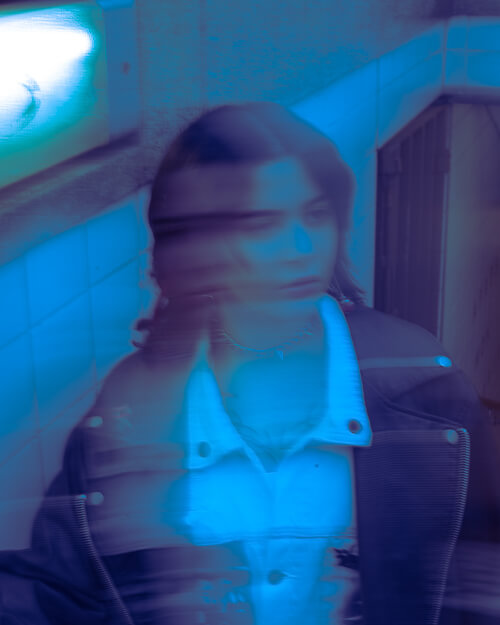
Why it matters? The blue hour is a short but magical window. During this time, the sky is painted in cool blues and purples. It creates a serene and ethereal backdrop. The light is soft and even, making it ideal for dramatic compositions.
Why You’ll Love Blue Hour?
- Cool tones create a calm, moody vibe.
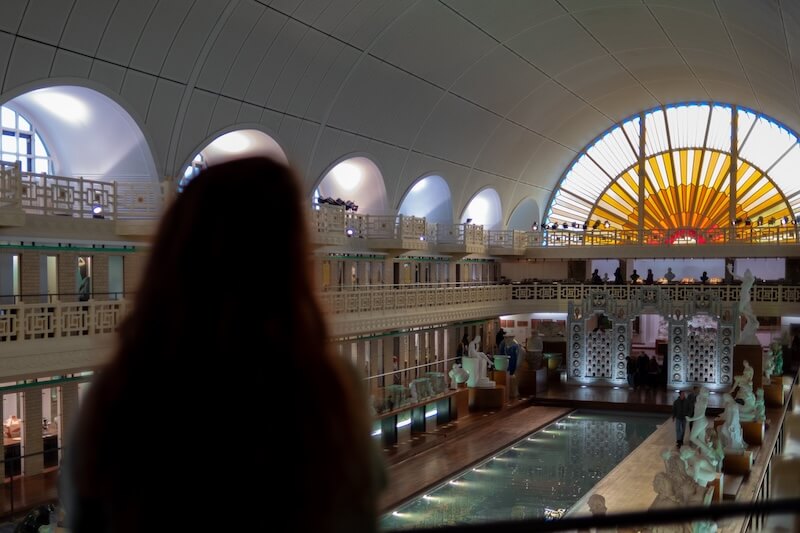
- Perfect for capturing silhouettes and reflections.
- Ideal for long exposures: city lights, stars, or flowing water look stunning.
Pro Tips:
- Use a tripod to avoid camera shake in low light.
- Adjust white balance to suit the mood. Daylight or tungsten can dramatically shift the color tone.
- Plan ahead. Blue hour doesn’t last long!
Midday Sun: Friend or Foe?
When? Around noon, when the sun is highest in the sky
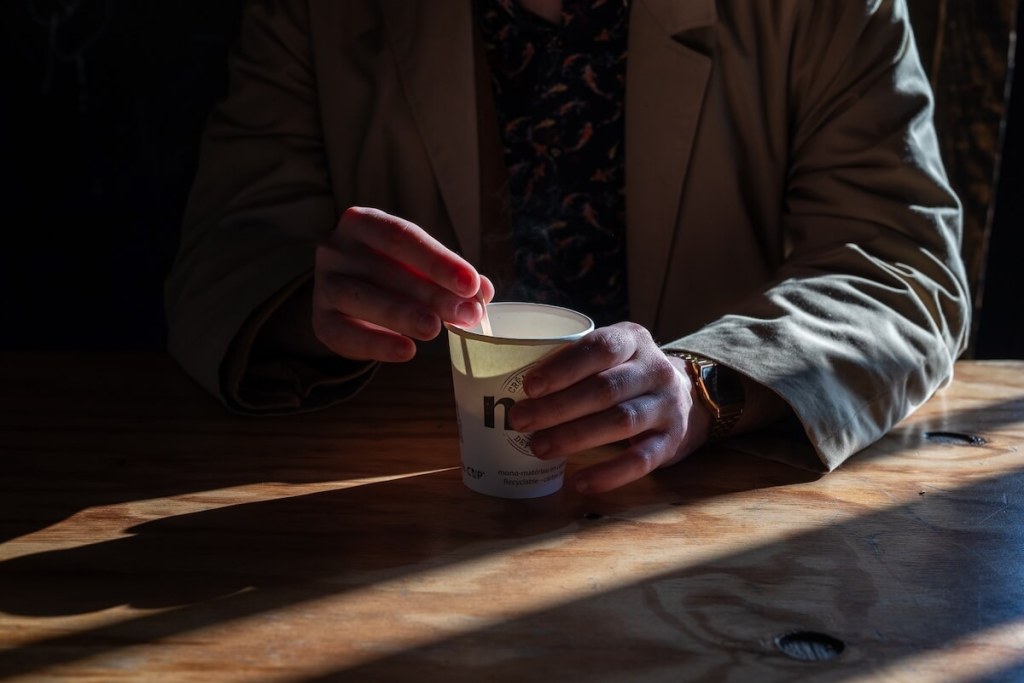
Why it’s tricky? Midday sun creates intense, direct lighting with strong shadows and high contrast. It’s generally less flattering for portraits and can make landscapes look flat or overexposed.
Common Challenges:
- Deep shadows under eyes and nose,
- Shiny spots and blown highlights,
- Squinting subjects and lack of detail.
Solutions:
- Use open shade or a large object like a building to create softer light.
- Diffusers and reflectors can help manage shadows and balance exposure.
- Focus on candid moments, bold shapes, or abstract compositions that embrace the contrast.

Other Lighting Considerations
Overcast Days: Nature’s Softbox
Don’t cancel your shoot when the sky turns gray! Cloud cover acts like a giant diffuser, creating soft, even lighting. Ideal for portraits, macro shots, and details where you want consistent exposure and no harsh shadows.
Season and Location
The length and quality of golden and blue hours change with the season and your geographical location. In the summer, these windows are longer. In winter, they’re shorter but often more vivid. Mountainous or coastal regions can also alter the light due to terrain and reflection.
Example:
On July 2nd, in many northern locations, sunrise might be at 6:12 AM and sunset at 9:07 PM. This means your golden hours would fall around 6:12-7:15 AM and again at 8:04-9:07 PM. Timing your shoot accordingly can make a huge difference.
Practical Shooting Strategy
When shooting portraits, where you place your subject relative to the sun can make or break the photo.
General Rule:
- Morning (around 9 AM): Shoot on the west side of buildings or natural features to keep the rising sun behind your subject.
- Evening (around 7 PM): Switch to the east side for the same effect with the setting sun.
This positioning prevents squinting and shiny hotspots while providing beautiful backlighting. A pre-shoot location visit, or “go see”, helps you identify the best spot and anticipate lighting conditions.
Let Light Be Your Guide
Great photography is as much about observing light as it is about composition and gear. While golden and blue hours are beloved for a reason, there’s value in understanding and adapting to every lighting situation. Tools like light modifiers, diffusers, and reflectors give you flexibility, but nothing replaces planning and timing.
Whether you’re capturing golden warmth or moody twilight blues, the key is knowing what light works best for your subject and style. Chase the light, be intentional with your timing, and let nature’s rhythms enhance your creative vision.


 Behindmud