
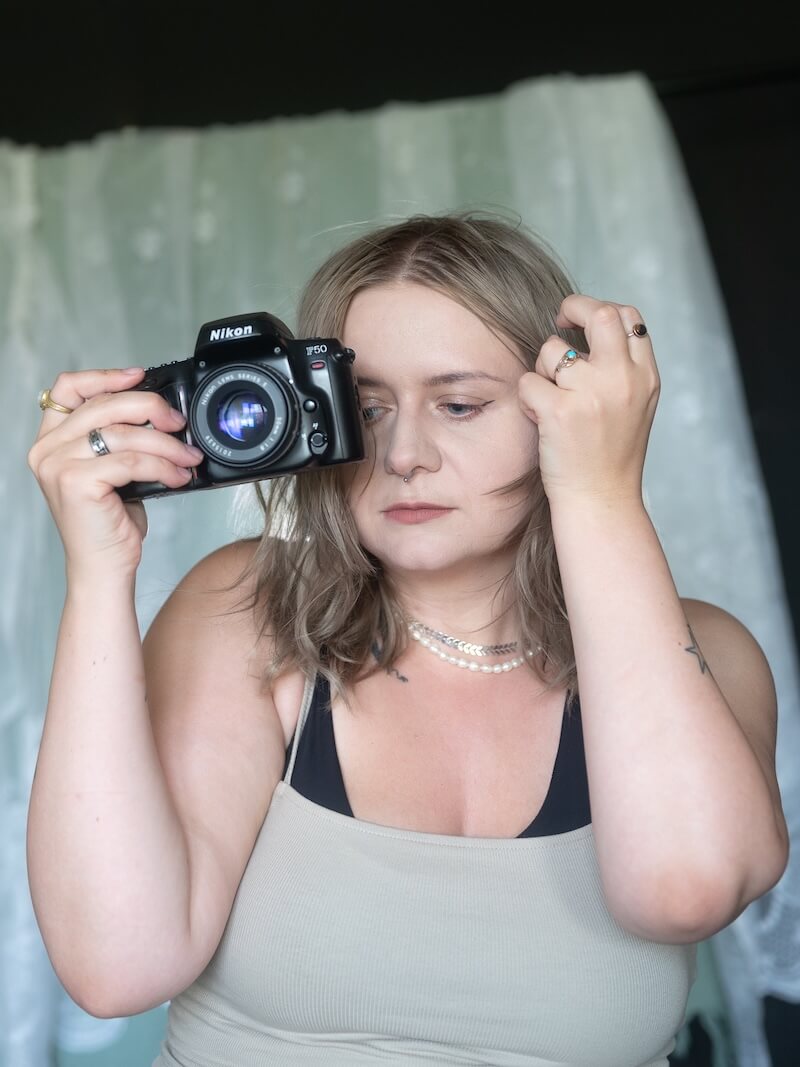
Queer photography is more than a snapshot. It’s a story, a rebellion, a mirror for society.
“To take a photograph is to participate in another person’s mortality, vulnerability, mutability. Precisely by slicing out this moment and freezing it, all photographs testify to time’s relentless melt.”
Susan Sontag, “On Photography”
The camera is an instrument for queer photographers to challenge the norms. It helps them express different identities. It also puts light on underrepresented stories. These efforts deepen our collective understanding of love, gender, race, and resilience.
Why LGBT+ Representation in Photography Matters?
But first, let’s think a bit why does it matter to have queer representation in visual arts/ photography.
Pictures have meanings. They are a part of our culture and have messages behind them. If we have only one image of what constitutes who is a “person”, then we take away the humanity of folks who don’t fit this mold.
We’re here. We’re queer. Get used to it.
Being unapologetically queer is a part of resisting the leading narrative and status quo that is designed to obey.
That’s why we need LGBT+ bodies in photography. That’s why we need black, fat, femme, butch, non-binary, and trans bodies. Out and proud.
Artists like Peter Hujar and Nan Goldin used their lenses to document the essence of queer experience. Particularly in the wake of pivotal events like the 1969 Stonewall riots.
These photographs serve as visual archives, preserving LGBT+ history and the struggles faced by the activists. The work of these photographers not only reflects the realities of queer experiences but also challenges societal norms, making them integral to the art world and contemporary art.
As we reflect on the photo history, it becomes evident that using photography as a tool for activism not only amplifies the voices of queer people but also enriches our understanding of the LGBTQ+ community and its ongoing fight for equality.
Statistics on LGBTQ+ Visibility in Visual Arts
Data shows that more queer artists are breaking into mainstream art circles. Surveys indicate that LGBTQ+ representation in exhibitions has doubled over the last decade. But let’s get into the specifics:
- 2021 Research by Getty Images found that only about 21% of people worldwide regularly see LGBTQ+ individuals represented visually. Despite this visibility, the portrayals are often narrow, inauthentic, and stereotypical.
- The research also suggests that in countries with lower LGBTQ+ visual representation, there tends to be more discrimination and bias against LGBTQ+ people. This indicates that authentic and positive imagery can have beneficial social effects globally.
Queer visibility in visual arts remains relatively low and often stereotyped. Ongoing efforts in exhibitions, youth projects, and mainstream art recognition are contributing to greater authenticity. These efforts also promote diversity and empowerment for LGBTQ+ communities in the arts.
The Most Prominent Queer Photographers
Let’s discover trailblazing queer photographers whose work challenge society’s ideas about gender, sexuality, and identity. These artists bring visibility to LGBTQ+ stories that were once ignored or hidden.
Nan Goldin (USA, born 1953)
My personal icon. My life will never be the same after watching “All the Beauty and the Bloodshed”. She’s a total badass, not being afraid to make her demands to powerful people and institutions. Currently very involved in free Palestine movement.
Known for: Intimate, autobiographical photography documenting queer love, addiction, and trauma.
Goldin’s raw, unfiltered images of 1980s LGBTQ+ life provide a haunting and emotional archive of a turbulent era.
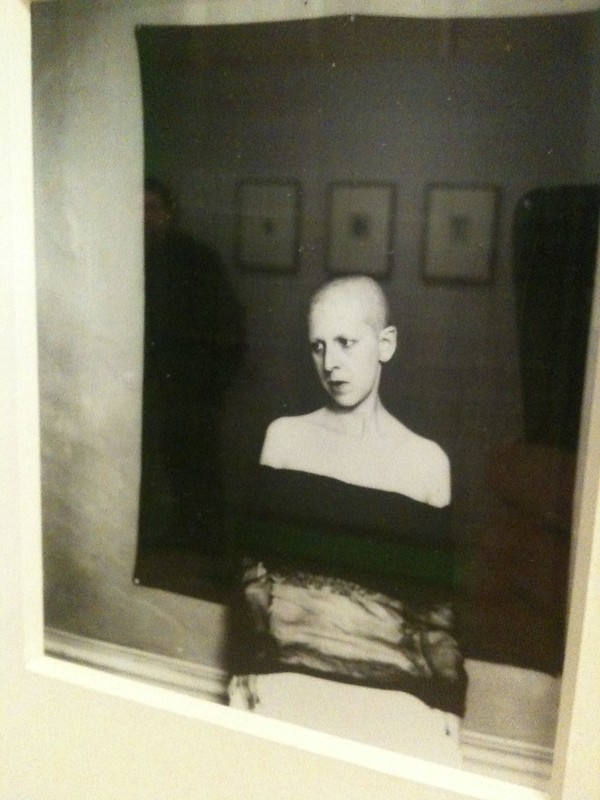
Claude Cahun (France, 1894–1954)
Claude was a pioneering figure in surrealist and queer photography.
Known for: Gender-fluid self-portraits that challenged identity norms long before it was widely discussed. Cahun’s work is now widely studied in queer theory, feminist art history, and surrealism.
Zanele Muholi (South Africa, born 1972)
Visual activist documenting the lives of Black lesbian, gay, trans, and intersex people in South Africa.
Known for: Faces and Phases series and self-portraits in Somnyama Ngonyama (“Hail the Dark Lioness”). Globally acclaimed for combining fine art with activism.

Sunil Gupta (India, born 1953)
Documenting gay life in India and the diaspora, often exploring migration and HIV/AIDS.
Known for: His work often blends documentary and staged photography to explore sexuality, migration, and identity. Gupta’s storytelling bridges East and West, making space for queer South Asian voices.
Robert Mapplethorpe (USA, 1946–1989)
Known for: Provocative black-and-white photography exploring gay BDSM culture, nude portraiture, and floral still lifes. Mapplethorpe pushed societal boundaries on sexuality and beauty. His fearless work challenged public decency laws and redefined erotic art.

Robert Mapplethorpe Foundation website
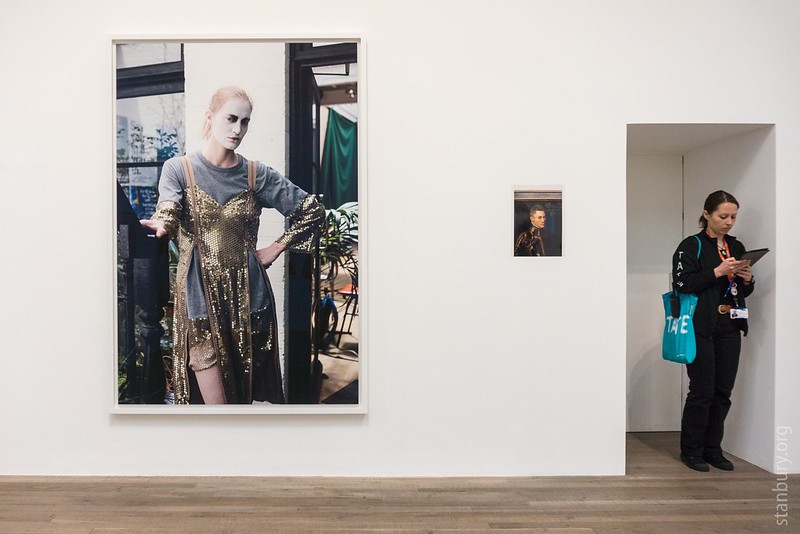
Wolfgang Tillmans (Germany, born 1968)
First photographer, and first non-British person, to win the Turner Prize.
Known for: Unfiltered, intimate images of youth, queer bodies, club culture, and everyday life. Helped redefine contemporary photography in Europe and beyond.
Lina Pallotta (Italy, born 1960s)
Known for long-term photo documentation of Italian trans activist Porpora Marcasciano.
Known for: Sensitive, deeply human portrayals of trans lives in Italy.
Rotimi Fani-Kayode (Nigeria, 1955–1989)
Known for: Symbolic, erotic imagery exploring Blackness, queerness, and cultural heritage. Fani-Kayode’s lush photographs merged spirituality and sexuality, making him a pioneer in intersectional queer art.

Karol Radziszewski (Poland, born 1980)
One of the most famous Polish queer photographers and artists.
Known for: Exploring queer identity, history, and memory in Central and Eastern Europe. Radziszewski founded DIK Fagazine, the first gay culture art magazine in the region. His work often challenges societal norms and gives visibility to LGBTQ+ communities, combining personal stories with broader social themes.
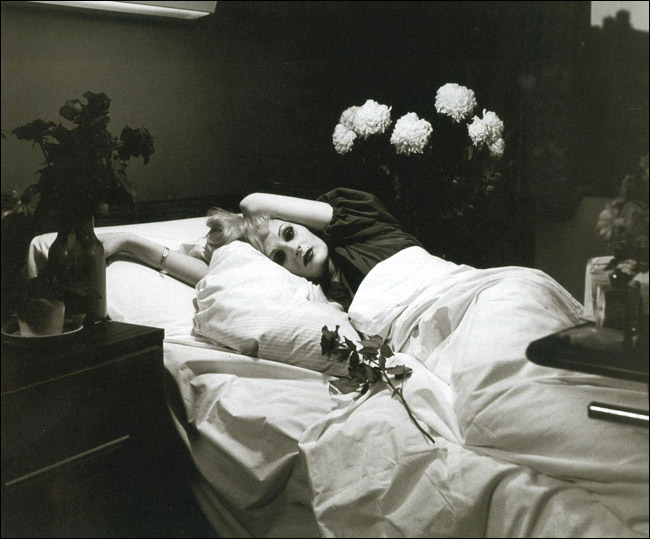
Peter Hujar (USA-born, Ukrainian descent, 1934–1987)
Known for: Intimate portraits of New York’s downtown art scene and LGBTQ+ figures.
A key figure in documenting the AIDS crisis and underground queer life.
Queer Photography – What’s Next?
From Mapplethorpe’s radical provocations to Muholi’s powerful portraits, queer photographers have changed the way we see the world. Their courage, creativity, and candor challenge us to be more honest, more inclusive, and more human. Their legacies live on in every eye opened and every mind changed by the power of a photograph.
In these politically challenging times, it is important to keep sharing their stories.



 Behindmud