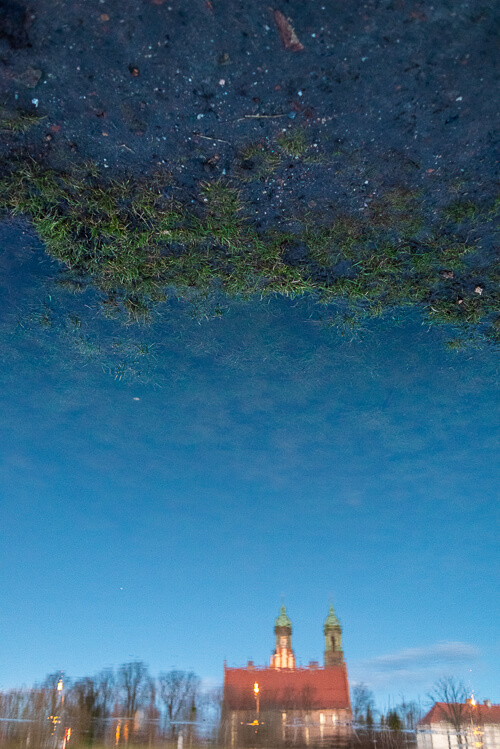
The photography industry stands at the crossroads of technological innovation and evolving consumer preferences.
Advancements in smartphones, editing software, and artificial intelligence are transforming photography. This change is redefining how we capture, edit, share, and interpret visual content.
Photography Market Outlook for 2026
The photography industry is expected to grow significantly by 2026. This growth is driven by higher demand for digital services and new imaging technology. There are also steady gains in both consumer and professional markets.
Traditional areas like portrait, event, and commercial photography still make up the core of the industry. However, the fastest growth is happening in specialized areas. These include computational imaging, 3D capture, stock content, and advanced camera hardware. These trends show that photography is becoming more digital, more advanced, and more varied in how it creates value.
By 2026, the global photography services market is expected to hover around the 60-billion-USD mark. This growth is supported by annual rates commonly falling between 5% and 7%. This dependable momentum is complemented by robust expansion in technology-intensive sectors. Stock imagery is projected to reach the mid-single-digit billions as demand from social media, e-commerce, and AI-assisted creative workflows climbs.
At the same time, hardware niches such as action cameras, high-speed cameras, and 3D imaging devices are registering particularly strong gains. Each of these categories is capturing double-digit growth in many forecasts. Computational photography stands out as the fastest-growing segment, with software-driven imaging capabilities increasingly embedded in smartphones and professional equipment. Altogether, 2026 represents a pivotal point. Traditional photography services remain strong. However, the industry’s most dynamic opportunities stem from advanced imaging technologies. They also arise from specialized content creation.
A Growing Industry Powered by Innovation
Global statistics reflect the vitality of this industry. In 2023, the global photography market was valued at approximately $105.2 billion and is projected to reach $161.8 billion by 2030, growing at a compound annual growth rate (CAGR) of 4.4%. Within this landscape, photographic services alone are estimated to reach $38.58 billion by 2025, and the digital photography market is forecasted to grow to $71.2 billion by 2029.
Driving this growth is the increased demand for high-quality visuals across industries—from social media and e-commerce to advertising and education. Technological advancements are changing both creative output and business operations for photographers. These include AI-powered editing tools. Virtual and augmented reality (VR/AR) and blockchain-based copyright solutions also play a role.
Regional Trends and Market Segments
The Asia-Pacific region leads the global market with a 35% share. This is propelled by digital adoption and rising incomes in countries like China and India. North America follows with 28%. A tech-savvy consumer base and high professional service demand support this. Western Europe commands 20%. There is a focus on fashion and commercial photography. Emerging markets in South America, Africa, and the Middle East are also seeing growth, particularly in event and lifestyle photography.
Among market segments, portrait photography stands out as a stable and lucrative niche, generating an estimated $20.6 billion annually. This segment represents nearly one-fifth of professional photography specializations. It remains resilient amid the rise of smartphone photography. The resilience is achieved by offering personalization, high-end quality, and emotional depth that consumer devices can’t replicate.
Key Trends Shaping Photography in 2025
Photography trends in 2025 reflect both technological innovation and evolving societal values. AI-powered tools are now mainstream, allowing photographers to streamline workflows and experiment creatively without compromising on quality. At the same time, audiences increasingly favor authenticity over perfection. Minimalistic and documentary-style photography—featuring real-life, unfiltered moments—is gaining traction as viewers seek deeper emotional connection.
There’s also a noticeable shift toward inclusive and diverse representation. Photographers and brands emphasize images that reflect a wide range of identities and experiences. Ethical storytelling is impacting photography. Sustainability in equipment use is influencing the field. Privacy-conscious practices are becoming important too, especially in socially conscious markets.
The Social Media Effect: Influencing Style and Substance
Social media remains one of the most powerful forces influencing modern photography styles. Platforms like Instagram, TikTok, and Pinterest have created a visual feedback loop where content trends shape photography aesthetics. Bright minimalism, moody cinematic tones, and candid “behind-the-scenes” shots now dominate feeds. Photographers must capture attention quickly, often opting for vertical formats and eye-catching visuals that stand out in the scroll.
This demand for “shareability” has prompted creatives to push boundaries in composition and storytelling. Hashtags like #RealLifePhotography are trending. There’s growing pressure to create images that not only look good but also feel real. These images should tell stories that resonate with authenticity.
Smartphones: The New Camera of Choice
Smartphones have revolutionized photography, blurring the line between amateur and professional. Smartphones have powerful built-in cameras, computational photography, and AI-enhanced features. These technologies allow anyone to capture striking images. This has driven global photo creation into the trillions annually.
This accessibility has democratized photography, empowering emerging creatives and expanding the demand for educational resources. Online tutorials, community forums, and mobile editing apps have made it easier than ever to enter the field. Many professional photographers now integrate smartphones into their workflows. They find smartphones particularly useful in event and lifestyle shoots. Agility and spontaneity are key in these settings.
Portrait Photography: A Market on the Rise
Portrait photography is experiencing renewed interest, driven by the need for professional headshots, personal branding, and creative storytelling. The shift toward lifestyle portraits—featuring subjects in natural environments—has increased demand for on-location shoots over traditional studio sessions.
Trends in this segment emphasize emotional authenticity, creative lighting, and quick digital delivery. AI-assisted editing tools allow photographers to refine images while preserving natural skin textures. They maintain expressions that distinguish professional portraits from everyday smartphone selfies.
The rise of remote work has driven growth in the professional headshot market. This market is projected to grow at a 9.2% CAGR from 2026 to 2033.
Education, Ethics, and the Next Generation
As the industry evolves, so too does the culture around it. A new wave of photographers is prioritizing ethical practices, sustainability, and inclusivity. Online education platforms and workshops are equipping learners with the tools they need to succeed—not just technically, but responsibly.
The impact of photography today extends far beyond aesthetics. It serves as a tool for activism, cultural expression, and community engagement. Many photographers are collaborating with advocacy groups to document stories that promote awareness and drive change.
Looking Ahead
The future of photography is one of possibility and purpose. As technology fuses with creativity, the photographer’s role is being redefined. They are not just image makers but also storytellers, educators, and innovators.
In this era of visual saturation, what sets photographers apart is not just skill or equipment, but vision and voice. Today’s photographers are shaping how we see (and understand) the world. They capture sweeping drone landscapes, intimate human portraits, or immersive AR experiences.






 Behindmud